Multi‑Generational Custom Homes: Designing Spaces for Extended Families?
In Toronto’s dynamic real estate landscape, many families are exploring innovative ways to accommodate their loved ones while making the most of their property investments. One increasingly popular solution is building multi-generational custom homes that cater to extended families. Whether it involves renovating existing spaces or demolishing a house to build a custom home in Toronto, this approach offers flexibility, privacy, and comfort for all generations. As urban living evolves, so does the need for thoughtfully designed, legally compliant, and cost-effective multi-family residences.
This report delves into the critical aspects of designing and constructing multi-generational custom homes in Toronto. From understanding local bylaws to navigating permits and managing costs, we provide expert insights tailored for homeowners, developers, and investors looking to enhance their properties with multi-family solutions.
What Are Multi‑Generational Custom Homes?
Definition and Benefits
Multi-generational custom homes are residences expressly designed or renovated to house multiple generations of a family under one roof. These homes typically include:
- Separate living spaces or self-contained units
- Shared common areas for family gatherings
- Flexible layouts to adapt to changing needs
- Modern amenities tailored for diverse age groups
Benefits include:
- Cost savings compared to purchasing multiple properties
- Enhanced family bonds and support systems
- Increased property value and marketability
- Flexibility for future growth or downsizing
Navigating Toronto’s Building Permits and Bylaws for Multi-Generational Homes
Buildings in Toronto are subject to specific bylaws, zoning laws, and permit requirements that influence whether demolishing a house to build a custom home in Toronto is feasible. Understanding local regulations is essential for ensuring compliance and avoiding delays.
Key Toronto Zoning and Building Regulations
| Regulation Area | Description | Impact on Construction |
| Zoning By-laws | Determines land use, setbacks, lot coverage, and building height | Defines permissible multi-family configurations |
| Building Permits | Required for new structures, significant renovations, demolitions | Ensures safety and compliance with Toronto Building Code |
| Heritage Regulations | Protects historic landmarks and areas | May restrict demolition or alteration of designated heritage sites |
| Environmental Regulations | Protect green spaces and manage stormwater runoff | Affects site preparation and landscaping |
Permits Needed for Multi-Generational Homes
- Demolition Permit: Required if you plan to demolish an existing structure before building a new custom home.
- Building Permit: Necessary for new constructions, additions, or significant renovations.
- Site Plan Approval: Ensures compliance with setback requirements and neighborhood planning.
- Zoning Confirmation: To verify if the property qualifies for a multi-family dwelling under current bylaws.
Important Considerations in Toronto Bylaws
- Many districts permit multi-family dwellings, but specific zoning codes vary by neighborhood.
- Toronto’s Official Plan encourages affordable, diverse housing options, including multi-generational homes.
- Extra permits or variance approvals might be required if property features deviate from bylaws.
Cost Factors for Building Multi‑Generational Custom Homes in Toronto
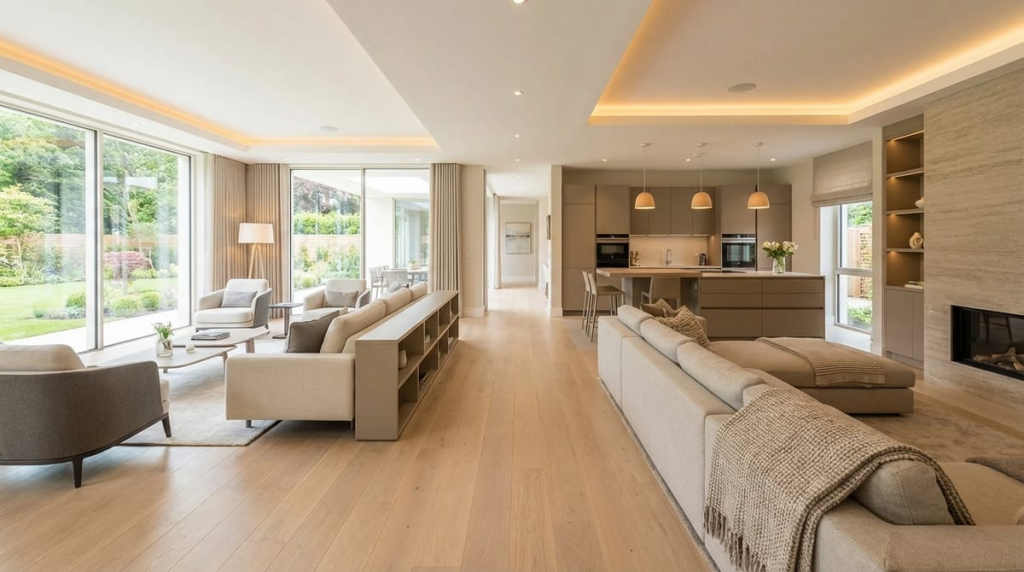
Building a multi-generational home involves various costs that need careful planning. These can vary significantly based on location, design complexity, and material choices.
Major Cost Components
- Permits and Legal Fees: Approximately 5-10% of total project costs
- Site Preparation: Excavation, grading, and foundation work—may range from 20,000to20,000 to 20,000to50,000
- Demolition Costs: For demolishing an existing house, expect 10,000to10,000 to 10,000to30,000 depending on size and complexity
- Construction Costs: Ranging from 200to200 to 200to400 per square foot for high-quality custom builds
- Design and Engineering: Approximately 10-15% of construction costs
- Landscaping and External Works: Variable but could reach $20,000 or more
Cost Breakdown Example
| Cost Category | Estimated Range | Notes |
| Permits & Approvals | 10,000−10,000 – 10,000−25,000 | Varies with project scope |
| Demolition | 15,000−15,000 – 15,000−30,000 | Depends on structure size and site access |
| Construction | 250,000−250,000 – 250,000−600,000 | For a 2,000 sq ft custom multi-generational home |
| Design & Engineering | 25,000−25,000 – 25,000−90,000 | Based on complexity and designer fees |
| External & Landscaping | 15,000−15,000 – 15,000−40,000 | Adds curb appeal and functional outdoor spaces |
| Total Estimated Budget | 320,000−320,000 – 320,000−785,000 | For comprehensive construction costs |
Site Selection and Design Planning for Multi-Generation Homes
Designing spaces for extended families requires meticulous planning. Also, location plays a vital role in the success of your project.
Key Factors When Choosing a Site
- Proximity to schools, hospitals, public transit
- Compliance with local zoning for multi-family use
- Availability of utilities and high-speed internet
- Space for outdoor living and privacy
Essential Design Features
- Dual or Multi-Unit Layouts: Complete independence with separate entrances
- Flexible Room Configurations: Adaptable rooms for aging parents, adult children, or caregivers
- Universal Design Principles: Accessibility features like ramps, wider doorways, and grab bars
- Shared Spaces: Ample kitchens, laundry, and common living areas
5-Step Design Process
- Initial Consultation: Define your needs and budget
- Site Analysis: Assess ground conditions, setbacks, and zoning
- Concept Development: Create preliminary designs and layouts
- Permitting and Approvals: Secure necessary permits
- Construction & Oversight: Oversee construction to ensure quality and compliance
Construction Process and Best Practices
Successful construction of multi-generational homes in Toronto necessitates experienced professionals and adherence to local codes.
Step-by-Step Construction Breakdown
- Pre-Construction Planning: Budgeting, approvals, and hiring contractors
- Site Preparation: Clearing, excavation, and foundation work
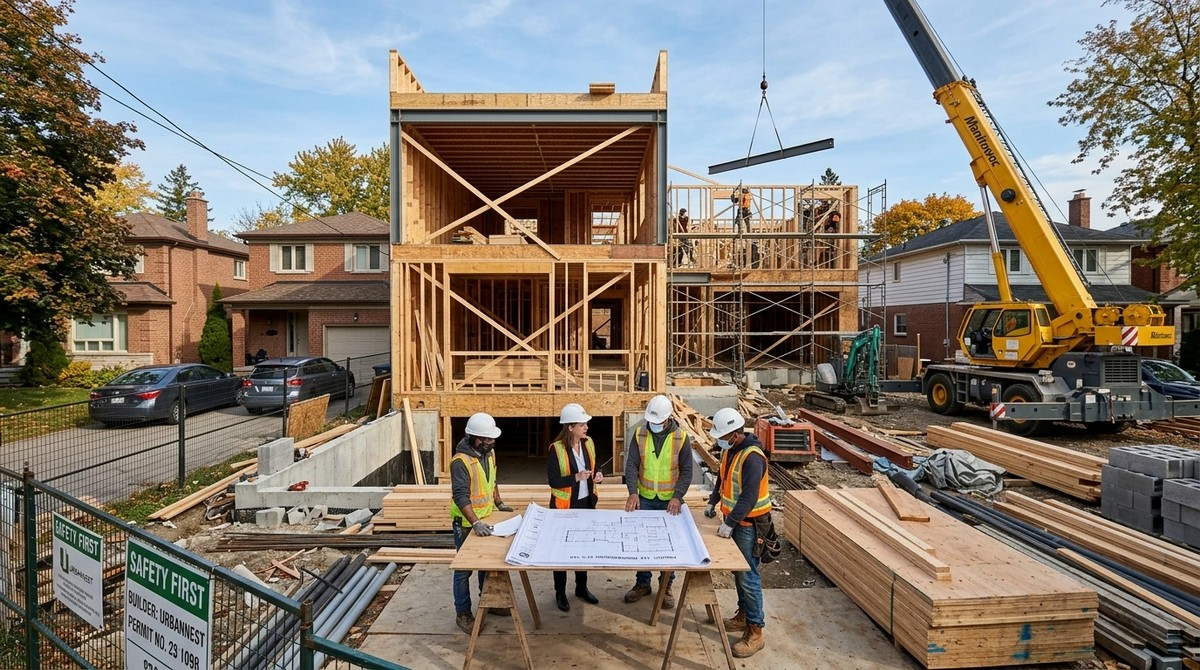
- Frame and Structural Work: Erecting the shell of the building
- Systems Installation: Electrical, plumbing, HVAC
- Interior Finishing: Flooring, cabinetry, and fixtures
- Final Inspections: Quality checks and official approvals
Tips for a Smooth Construction Phase
- Engage with licensed architects and builders familiar with Toronto bylaws
- Regular site inspections to monitor progress
- Transparent communication for change orders
- Incorporate sustainable building practices for energy efficiency
Enhancing Property Value Through Multi‑Generational Homes
Investing in a custom multi-family residence not only benefits your family but can significantly boost your property’s value.
Advantages for Toronto Property Owners
- Increased rental income potential
- Appeal to multi-family or extended-family buyers
- Future-proofing against market fluctuations
- Meeting Toronto’s housing demands and regulations
Real-Life Case Studies
| Project | Location | Features | Outcome |
| Maple Leaf Estate | North York | Two-unit side-by-side layout with shared amenities | Increased property value and rental income |
| Downtown Toronto Duplex | Central Toronto | Innovative design blending modern and heritage architecture | Appraised significantly higher post-completion |
Conclusion
Building or renovating a home to accommodate extended family members in Toronto involves careful planning, knowledge of local bylaws, and expert execution. Whether you’re demolishing a house to build a custom home in Toronto or adapting your existing property, understanding permit processes, costs, and design fundamentals is essential to creating a functional, legal, and beautiful multi-generational residence. These homes offer a unique blend of privacy, connection, and flexibility, making them an ideal solution for modern families seeking to maximize their property’s potential.
If you are considering embarking on this journey, partnering with experienced professionals like Route Homes ensures your project aligns with all regulations and exceeds your expectations. Creating spaces for your entire family under one roof has never been more achievable or rewarding.
FAQ
1. What Toronto zoning bylaw permits multi-family homes on my property?
Many neighborhoods in Toronto allow multi-family dwellings under existing zoning bylaws, but it varies by district. It’s crucial to check with the Toronto Building Department or a local expert to confirm specific zoning permissions for your property.
2. How long does the process of demolishing a house to build a custom home in Toronto typically take?
The timeline depends on permits, site conditions, and design complexity but typically ranges from 9 to 18 months from initial planning to occupancy.
3. Are there grants or incentives available for building multi-generational homes in Toronto?
Currently, Toronto offers some incentive programs aimed at increasing affordable housing, but specific grants for multi-generational homes are limited. Consult local authorities or a professional firm like Route Homes for the latest opportunities.
4. What are the major challenges during site preparation in Toronto?
Challenges include dealing with heritage restrictions, environmental regulations, costly soil testing, and ensuring proper utility connections – all of which require experienced project management.
5. How do neighbor relations impact the construction process?
Good communication is key. Notify neighbors about construction schedules, adhere strictly to noise bylaws, and address concerns promptly to maintain good community relations.